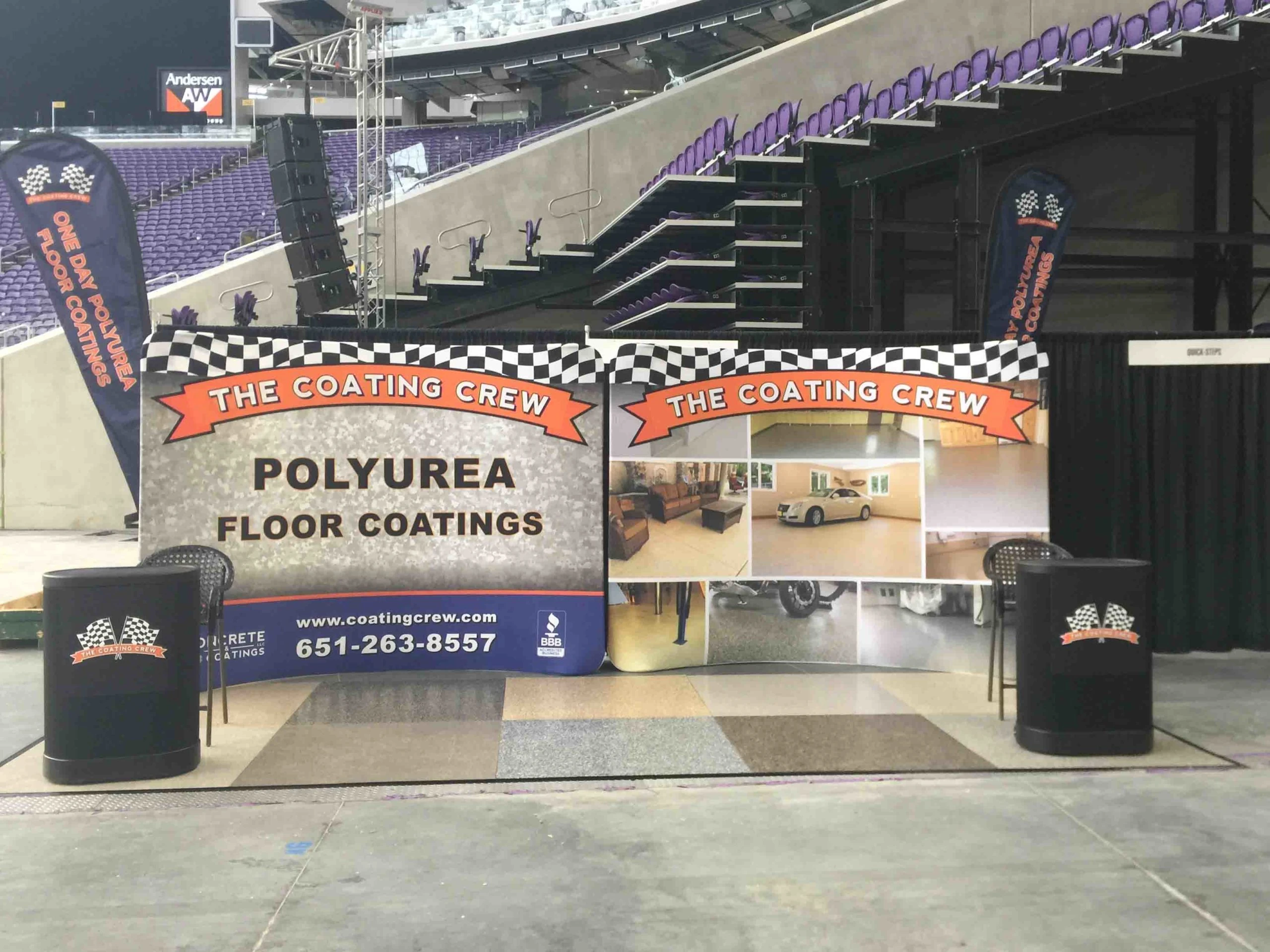
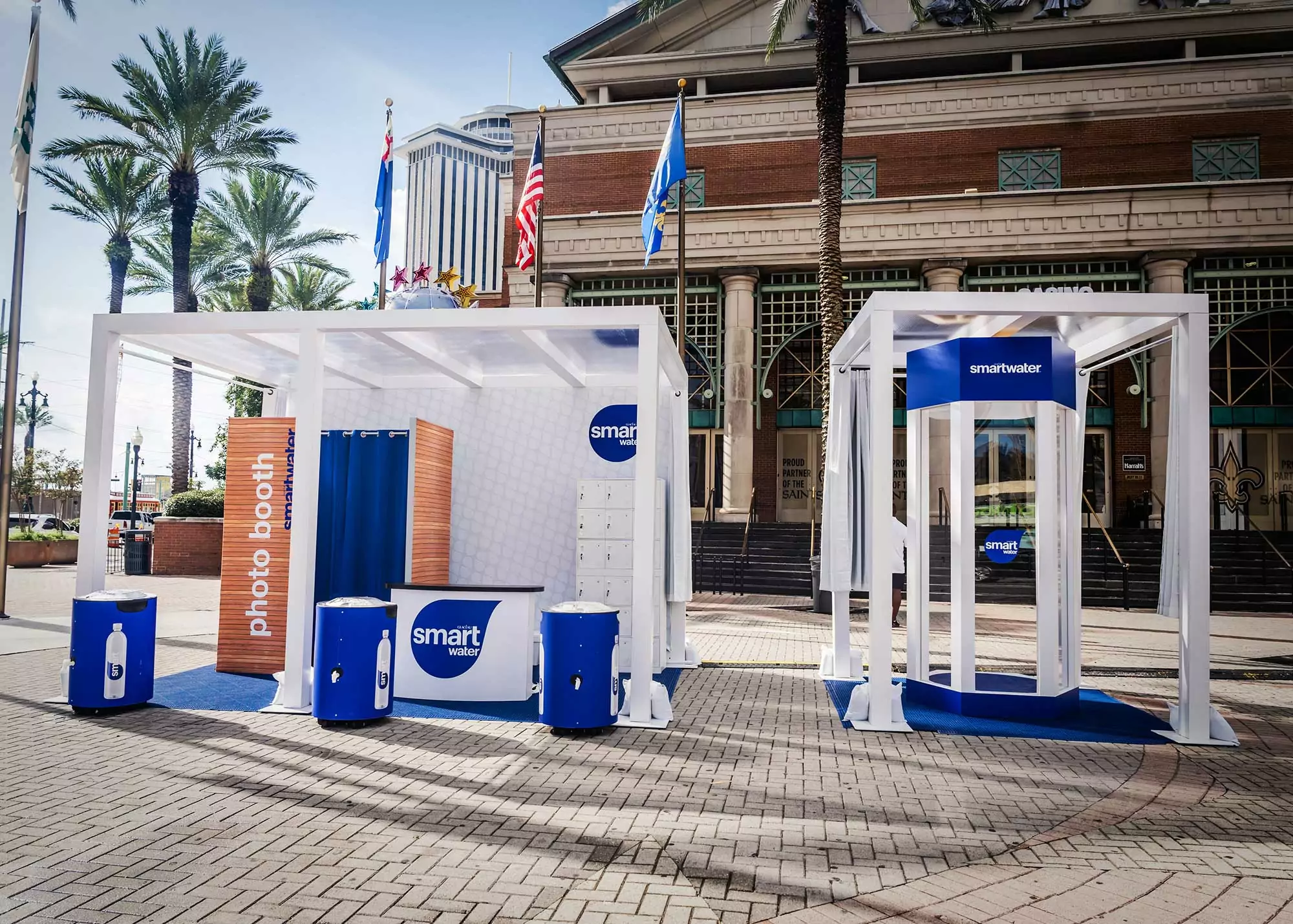
Backlit and LED displays in Omaha run from fabric SEG light boxes to full LED video walls. The format is chosen for how the booth has to read at distance, then engineered against the building that hosts the date.
Light boxes pull even, glare-free brightness across a graphic; LED walls put live content, looping motion, or a presenter feed on the booth. Each one carries its own power draw, rigging question, and weight load that the venue has to sign off on.
On a downtown CHI date the rules follow MECA's published exhibitor kit, and the convention floor that grows to 420,000 square feet after the 2027 expansion is exactly where a bright, motion-capable display earns its cost. The display ties back into graphics, AV, power orders, and labor on one schedule.
Backlit & LED Displays execution priorities
- Pick backlit versus LED by viewing distance and content needs: a static SEG light box reads differently than a live LED wall, and that choice drives power and rigging.
- Confirm the venue power order and electrical drops early; LED walls and large light boxes draw more than a standard booth and the CHI portal prices it against published deadlines.
- Check hanging-sign and rigging approvals for any suspended light box or overhead LED element against the specific Omaha building's rules.
- Spec pixel pitch and processing for LED so content is sharp at the distance attendees actually stand, not simply on the bench.
- Pre-build and burn-in the display off-site so dead pixels, color drift, or driver faults surface before load-in, not during show hours.
- Keep one named show-site lead on the install, the content load, and the strike so the wall is lit and on test by the contracted ready-time.
What Backlit & LED Displays are
Backlit and LED displays split into two families. SEG light boxes stretch a printed fabric over an edge-lit or back-lit frame for clean, even brightness. LED walls are tiled panels driven by a processor that can show stills, looping motion, or a live feed.
The choice is not cosmetic. A light box is a graphic that glows; an LED wall is a screen that plays. Each carries a different power draw, a different weight, and a different rigging question, and in Omaha the host venue signs off on all three.
Past the panel itself, the display rides into the broader booth scope: graphics or content files, AV, power orders, freight, labor, and supervision, all run on a single set of drawings and a single orders list.
How Backlit & LED Displays fit Omaha venues
Downtown CHI Health Center dates follow MECA's published electrical and rigging kit, and a bright display has to be ordered against those drops and deadlines, not improvised on move-in day.
For keynote-adjacent and general-session work, the production-grade rooms in the district — the Holland Performing Arts Center and Steelhouse Omaha — set a high bar for what a booth-scale LED wall is competing against, so brightness and pixel pitch get specced to match the room.
On the Iowa side, the Mid-America Center in Council Bluffs runs its own facility kit, and suburban dates at the Embassy Suites La Vista conference center carry ballroom power limits that cap how big a wall can run. The design accounts for each building from the start.
What's typically in scope for Backlit & LED Displays
Scope covers the frame or panel system, the printed fabric or LED content, the processor and cabling for LED, mounting hardware, freight, labor, and supervision.
Electrical and rigging orders are placed against the venue portal's published deadlines so a high-draw light box or LED wall does not collide with surcharges or a missed rigging approval.
Closeout includes a content wipe or reset, a panel-by-panel damage walk for LED, outbound freight on the published window, and notes on what to refurb before the next show.
How a Backlit & LED Displays project runs
Kickoff locks the show, the venue, the named approver, and the content plan; whether the display is static fabric or live motion changes the power order and the freight crate immediately.
Fabrication, printing, and content production close on a date that lets the panels burn in and the content get reviewed before crating, so faults surface on the bench and not on the floor.
From load-in through strike one lead holds the floor plan, the power and rigging orders, the content load, and the change-order log in a single set of hands.
Pricing and lead time for Backlit & LED Displays
A fabric SEG light box program fits comfortably in 6 to 10 weeks. A custom LED wall with processing and content runs cleaner at 12 to 16 weeks because the content and the burn-in window matter as much as the hardware.
The bill breaks across the frame or panel system, graphics or content, processing and cabling, electrical and rigging orders, freight, labor, and supervision. LED draws more power than a light box, and the CHI or Mid-America Center portal prices that line directly.
Mid-show content swaps or panel fixes are documented, priced against the portal where venue labor is required, and signed off before they hit the floor.
What a clean Backlit & LED Displays program looks like
By the contracted ready-time the light box is even edge-to-edge with no hot spots, or the LED wall is tiled flush, color-matched, and playing the approved content loop.
During show hours the supervisor checks brightness, content playback, and any flicker on a known cadence, catching a failing driver or a stalled loop before booth staff notice.
At strike the content is reset, the panels get a damage walk, freight goes out on the published window, and a closeout report flags any panel or driver to refurb before the next Omaha date.
What separates strong Backlit & LED Displays work
Strong work starts by matching the format to the job: a light box where even, reliable brightness wins, an LED wall where live motion actually earns the added power and cost.
It treats the venue's electrical and rigging rules as the playbook, ordering drops and approvals against the CHI or Mid-America Center portal before drawings commit.
And it burns in and reviews content off-site, so the display that lights up on the Omaha floor is the one the team already proved on the bench.
Questions about Backlit & LED Displays
What is the difference between a backlit display and an LED wall?
A backlit SEG display is a printed fabric graphic lit from behind or the edge for even brightness. An LED wall is a tiled screen driven by a processor that can play stills, motion, or a live feed. The LED option draws more power and adds content and rigging questions.
Where do backlit and LED displays run in Omaha?
Anywhere the venue power and rigging rules support the load. CHI Health Center follows MECA's published kit, the Mid-America Center in Council Bluffs runs its own facility kit, and ballroom dates at the Embassy Suites La Vista cap how big a wall can draw. The design is engineered to match each building.
How much lead time does an LED display need?
A fabric SEG light box fits 6 to 10 weeks. A custom LED video wall runs cleaner at 12 to 16 weeks because content production and an off-site burn-in window matter as much as the panels themselves.
Do LED walls need a special power order at CHI Health Center?
Yes. LED walls and large light boxes draw more than a standard booth, so the electrical drops are ordered against the CHI portal's published deadlines. Suspended elements also need a hanging-sign or rigging approval before move-in.
Can backlit and LED displays be reused across shows?
Yes. SEG frames take fresh fabric for a new show, and LED panels return to storage for a damage walk and refurb pass before riding the next date with new content. The program is engineered for that reuse where it pays off.
Who runs a backlit or LED display on site?
One named show-site lead. That lead owns the install, the power and rigging orders, the content load, and the change-order log so the display is lit and on test by the contracted ready-time.