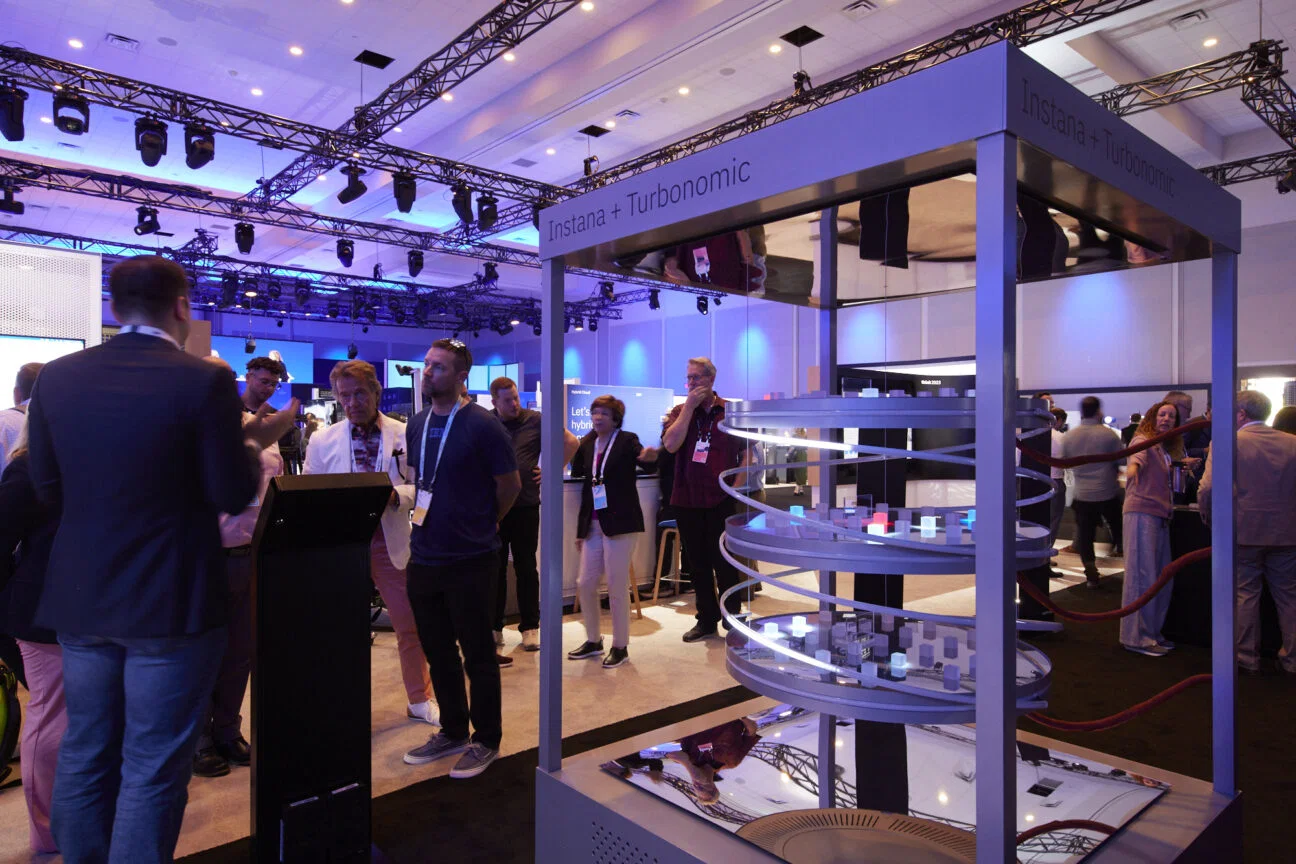

Trade Show General Contracting in Omaha covers the general-services contractor role: floor plans, drayage, rigging coordination, exhibitor kits, and the show-floor desk. The contracting ride the actual buildings on the Omaha calendar, from CHI Health Center to Mid-America to La Vista to Charles Schwab Field.
Each Omaha venue defines the contracting scope its own way, building by building. A the contracting engagement is sized to the specific venue, the specific show, and the published exhibitor kit, not a generic template.
Booked against an Omaha date, the contracting ties directly into freight, labor, AV, and closeout. On a the contracting date the schedule, the drawing set, and the orders portal all read off one venue plan.
Trade Show General Contracting execution priorities
- Confirm the show, the venue, the dates, and the named approver before trade show general contracting work commits to fabrication or freight.
- Match trade show general contracting scope to the venue's published exhibitor kit. Each Omaha building publishes its own rules; the Trade Show General Contracting plan rides them rather than guessing.
- Tie trade show general contracting timelines to freight arrival, labor calls, and the show-services portal deadlines so nothing arrives ahead of the plan.
- Coordinate trade show general contracting handoffs with booth, AV, graphics, and storage so no team is guessing which version is current.
- Document the general-services contractor role: floor plans, drayage, rigging coordination, exhibitor kits, and the show-floor desk in a single source of truth: drawings, orders, approvals, and change-order log all in one place.
- Keep one named show-site lead from trade show general contracting kickoff through strike so accountability does not pass between hands mid-run.
What Trade Show General Contracting actually covers
The contracting is the general-services contractor role: floor plans, drayage, rigging coordination, exhibitor kits, and the show-floor desk. Scope on the contracting ties to the show date, the venue, and the published exhibitor kit for the actual building.
In Omaha, that means the contracting for a CHI Health Center date is not the same plan as a Mid-America Center date or a La Vista Conference Center date. Different Omaha buildings publish different rules, and the contracting is sized to whichever venue holds the date.
Inside the project, the contracting ties directly into the rest of the booth or event scope so the schedule, the drawings, and the show-services orders all reference the same plan.
How Trade Show General Contracting fits the Omaha calendar
Omaha runs convention weeks back to back. Programs that work here are sized to ride into a city already booked with hotel blocks, freight windows, and shared dock time.
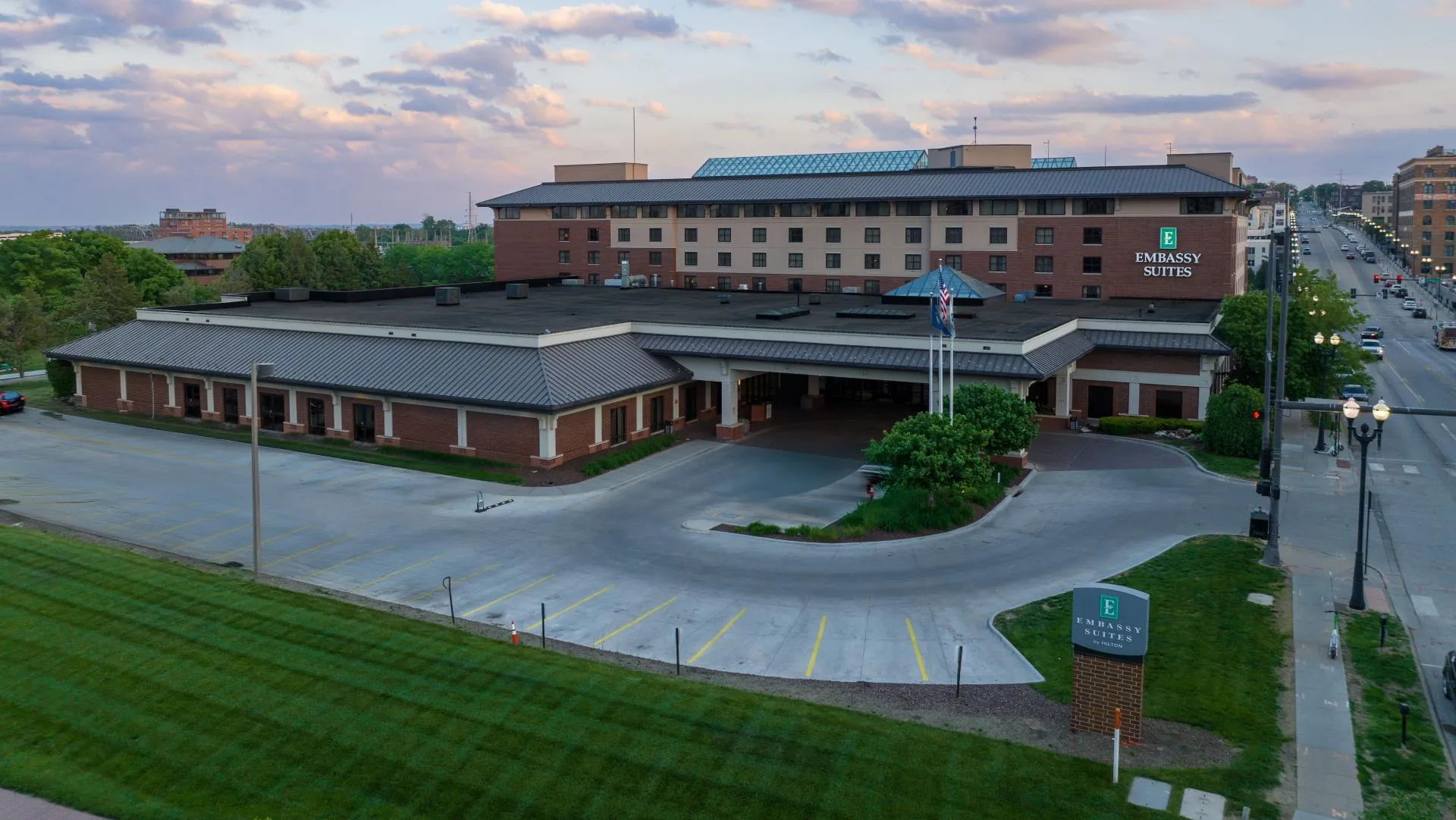
When the contracting lands at CHI Health Center downtown, the engagement rides MECA's published procedures. At Embassy La Vista, the contracting ties into the conference-center's hotel-managed workflow. Fairgrounds programs (Sandhills Global, Lancaster, Mid-America) each carry their own rules, and the contracting reflects them.
The result is that a the contracting engagement on the Omaha calendar is venue-specific from kickoff, not citywide.
What's typically in scope on a Trade Show General Contracting engagement
Discovery on a the contracting engagement opens with the show, the venue, the dates, the headcount, the headline objectives, and a budget envelope. From there the contracting narrows into the deliverable list for the date.
Standard the contracting lines: design, fabrication or sourcing, graphics, freight, labor, on-site supervision, and closeout. Specific lines depend on which Omaha venue is hosting.
Show-services orders (power, internet, rigging where allowed, lead retrieval, drayage) are placed against the published deadlines so the contracting effort does not fight late surcharges.
How a Trade Show General Contracting project actually runs
The opening meeting on a the contracting date fixes the show, the building, the approver, and the spend ceiling, then drawings and orders key off it.
Pre-show work on the contracting finishes on a date that lets crating, graphics, and freight ride the venue's advance-warehouse or direct-to-show window cleanly.
Move-in, show hours, and strike on a the contracting project ride under one named lead. The contracting floor is run by a single named lead carrying the floor plan, punch list, and change log all the way through strike.
On the contracting dates the daily standup pulls the booth team, the venue services rep, and the supervisor onto one call sheet; issues get logged, fixed, and signed before the next morning.
Pricing and lead time for Trade Show General Contracting
Custom the contracting runs cleanest at 16 to 20 weeks. Rental or kit-based work fits in 8 to 12. Tight four-week windows on the contracting are doable, but they raise costs and limit crew and freight options.
The contracting bill breaks across design, fabrication or sourcing, graphics, AV, freight, labor, and supervision. Every line on the contracting quote references the host venue's portal rates.
Mid-run change orders for the contracting are logged, priced against the live portal rates, and signed before the crew picks them up.
What a clean Trade Show General Contracting engagement looks like
The contracting comes in on time, on budget, and matched to the show goals set at kickoff. On the contracting the show-services orders match the floor and the run holds without surcharge surprises.
The contracting field team runs on radio behind one named show-site lead. On the contracting, the supervisor walks the floor at a known cadence; problems get logged before they reach the booth.
At the contracting closeout, a written report covers wins, changes, and the reorder list. The contracting storage, refurb, and asset notes carry over to the next show on the calendar.
What separates strong Trade Show General Contracting work in Omaha
Strong work starts with people who already know the Omaha buildings: the docks, the rig points, the services reps, and the rhythm of move-in.
The contracting runs a single source of truth for drawings, orders, and approvals so the field team is not reconciling email threads on show day.
The contracting program rides the venue's published rules rather than fighting them. The program is built to ride them.
Questions about Trade Show General Contracting
What does Trade Show General Contracting include?
The general-services contractor role: floor plans, drayage, rigging coordination, exhibitor kits, and the show-floor desk, sized to the specific Omaha venue, show, and exhibitor kit.
How is this work scoped against an Omaha venue?
By the building's own published rules. CHI Health Center, the Mid-America Center, La Vista Embassy, Charles Schwab Field, and the rest each publish different exhibitor and event kits, and the contracting plan rides each one specifically.
How much lead time does the program need?
Custom work runs cleanest at 16 to 20 weeks. Rental or kit-based work fits in 8 to 12. Tight 4-week the contracting windows are buildable; pricing rises and the fabrication and freight menu narrows.
Who owns this service on site?
One named show-site lead, from kickoff through strike. A single show-site lead owns the contracting from install through strike, holding the floor plan, the daily punch list, and the running change-order log.
How is the plan priced?
The contracting bills line out by deliverable: design, fabrication, graphics, AV, freight, labor, supervision. Pricing lines for the contracting cite the venue's published rates and the approved labor call, item by item.
Can this work inside an EAC engagement?
Yes. Certificates of insurance, scope letters, and approval from the show's general contractor get filed before the crew is on site, and the contracting scope follows the venue's EAC rules for that specific show.