
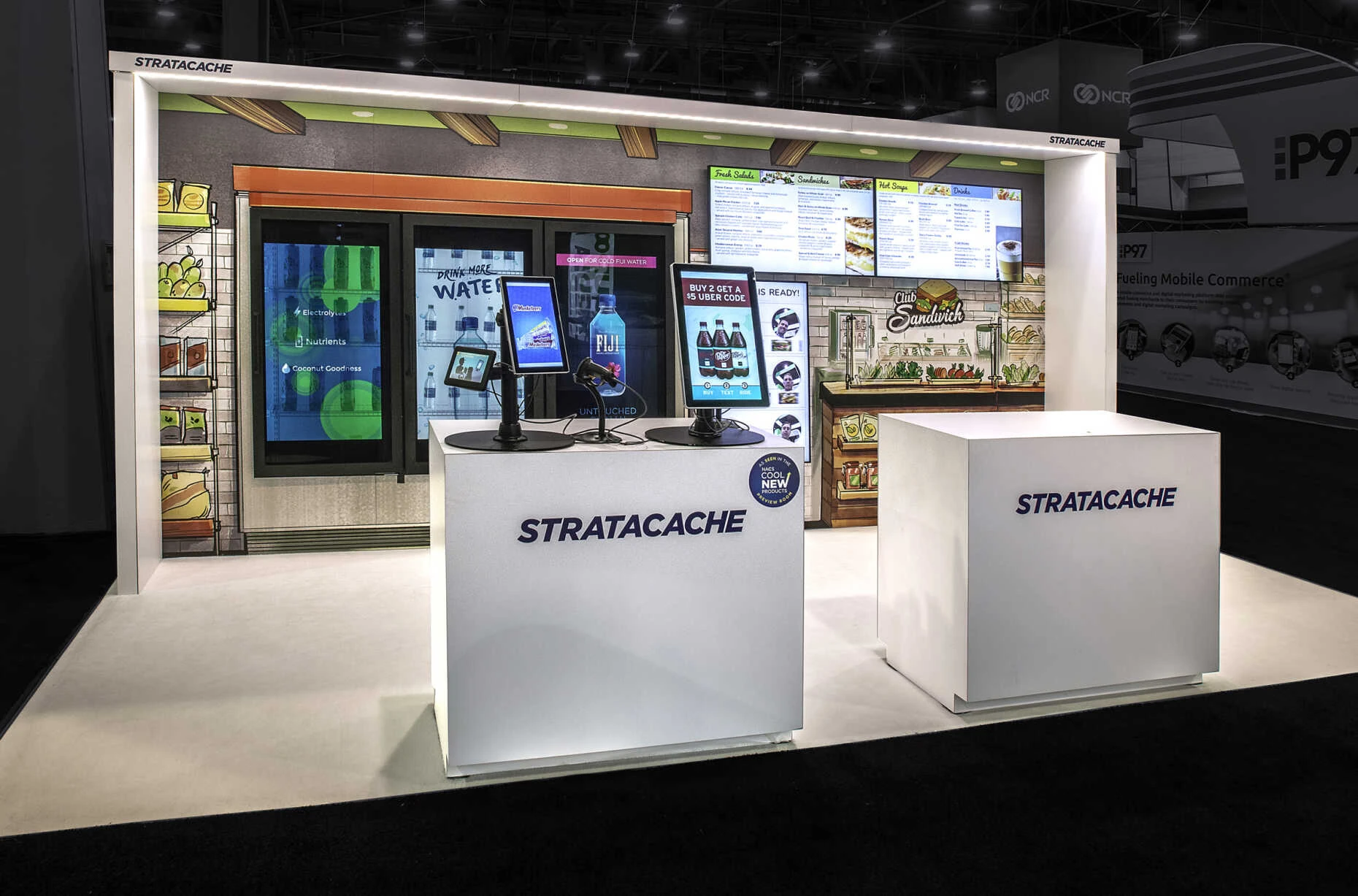
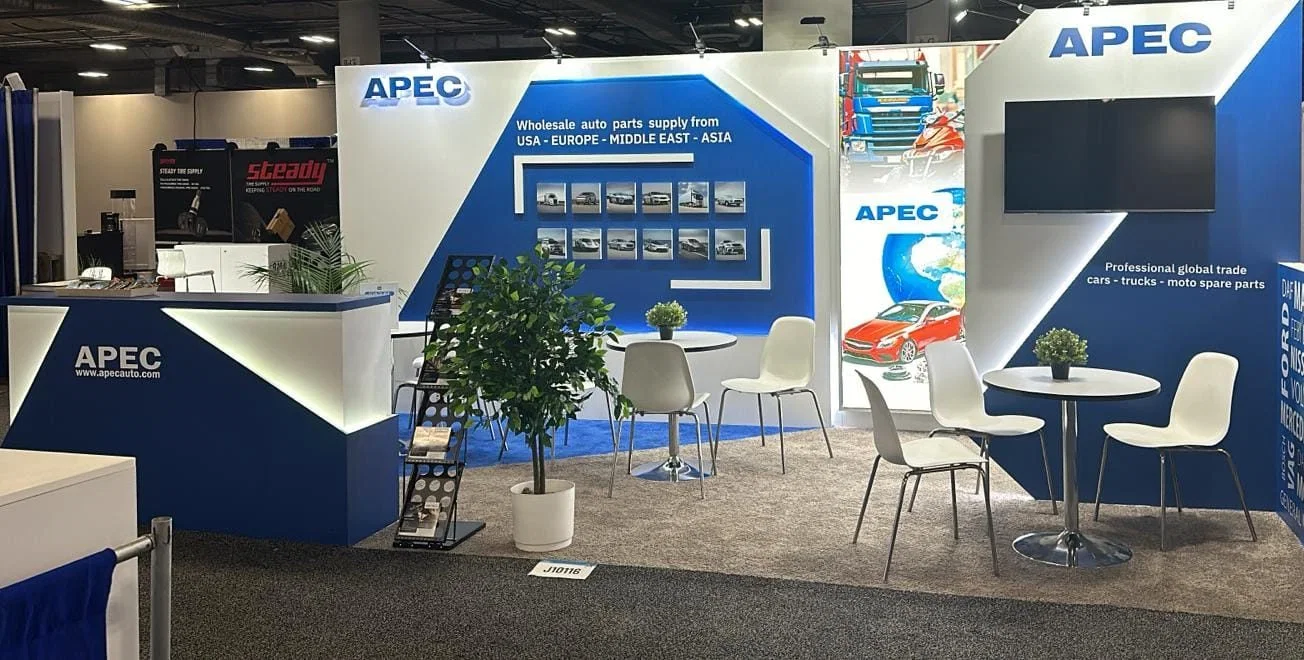
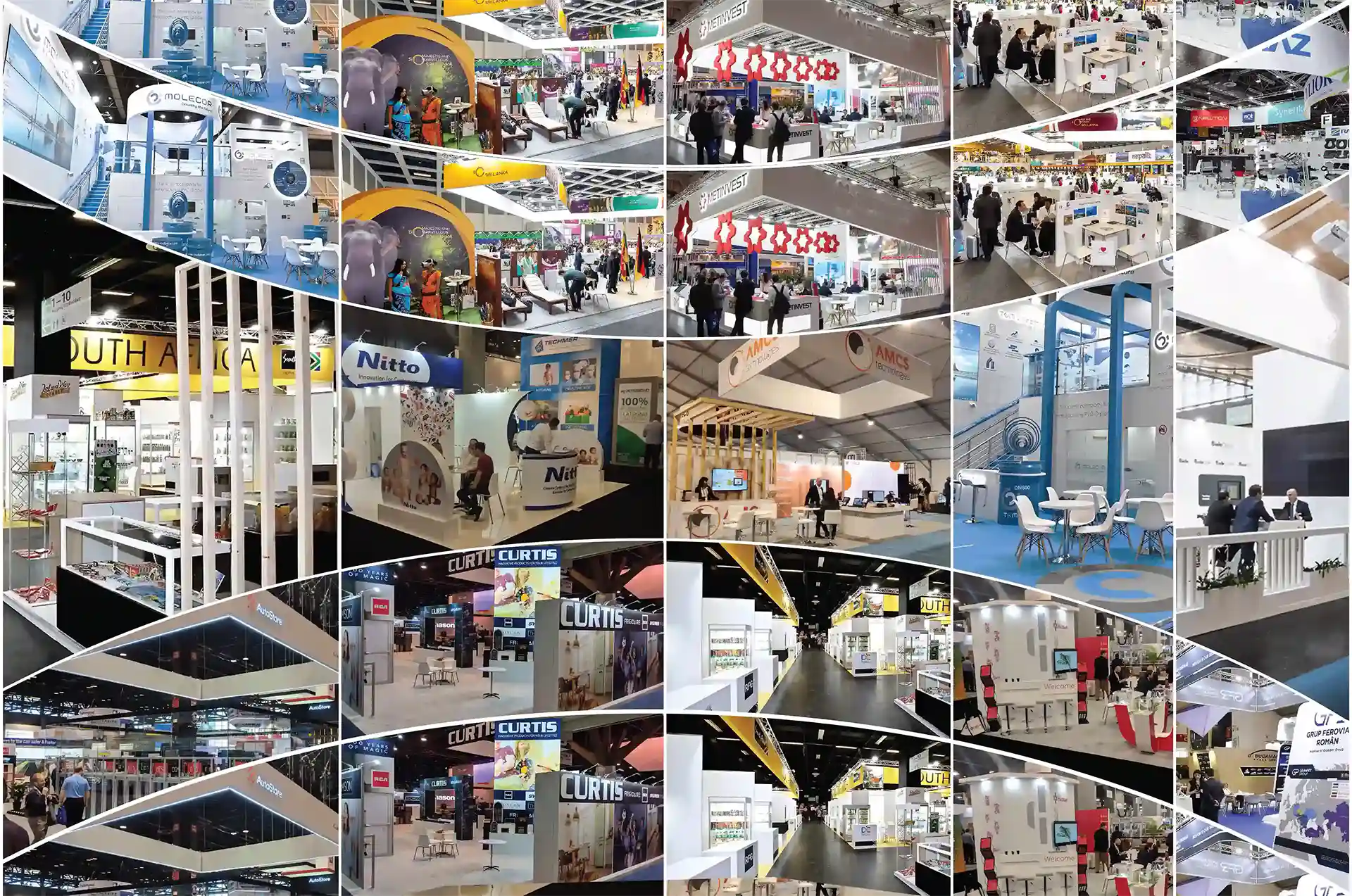
Inline Booth Displays in Omaha mean 10-foot-deep linear booths sharing back walls with neighbors. The build is sized to the show, the venue, and the published exhibitor kit for the date.
Each Omaha building has different rules for height, hanging signs, rigging, and aisle clearance. A the displays program is engineered against the specific venue, not a generic floor plate.
Past the structure itself, the displays project ties into graphics, AV, lighting, freight, and labor. One schedule, one drawing set, one orders list runs from kickoff to strike.
Inline Booth Displays execution priorities
- Confirm the show, the venue, and the booth number for the inline booth displays build before drawings commit.
- Match inline booth displays dimensions to the actual venue rules (height limits, hanging-sign approvals, neighbor sightlines).
- Engineer the inline booth displays structure for the freight pattern: crating, drayage, and reuse cycles all factor in.
- Coordinate inline booth displays graphics, AV, lighting, and storage handoffs so no team is guessing which version is current.
- Order venue services (power, internet, rigging where allowed, lead retrieval) before the early-bird deadline.
- Keep one named show-site lead on the floor for the install, the show hours, and the strike of every inline booth displays project.
What Inline Booth Displays are
The displays are 10-foot-deep linear booths sharing back walls with neighbors. The structure type drives almost everything else: graphics size, lighting plan, freight pattern, and labor call.
In Omaha, the right the displays build depends on the venue and the show. CHI Health Center exhibitor rules, Mid-America Center kits, and La Vista hotel ballroom limits each shape the design differently.
Past the structure itself, programs ride into the broader booth scope: graphics, AV, lighting, freight, labor, and supervision.
How Inline Booth Displays fit Omaha venues
Each Omaha building publishes its own rules on height, hanging signs, rigging, and aisle clearance. The displays are engineered against those rules, not a generic floor plate.
For downtown CHI dates the rules follow MECA's published kit. For Sarpy and La Vista dates the rules follow the conference-center workflow. For Mid-America Center dates the rules follow the Iowa-side facility kit.
The result is that two identical-looking the displays kits run differently in different buildings, and the design accounts for that from the start.
What's typically in scope for Inline Booth Displays
Scope covers structure, graphics, AV, lighting, freight, labor, and supervision. Storage and refurb fold in for kits that ride multiple shows.
Show-services orders (power, internet, rigging, lead retrieval) are placed against published deadlines so the displays build does not fight surcharges.
Closeout includes outbound freight, a damage walk, and asset-management notes that feed the next show on the calendar.
How a Inline Booth Displays project runs
The opening meeting on a the displays date fixes the show, the building, the approver, and the spend ceiling, then drawings and orders key off it.
Fabrication and graphics close out on a date that lets crating and freight ride the venue's published advance-warehouse or direct-to-show window cleanly.
On the displays dates the install, the run, and the strike are owned by one show-site lead carrying every working document.
Each morning on a Inline Booth Displays run the booth, the venue rep, and the supervisor share one standup.
Pricing and lead time for Inline Booth Displays
Custom the displays run cleanest at 16 to 20 weeks. Rental or kit-based programs fit in 8 to 12.
The displays pricing splits across structure, graphics, AV, lighting, freight, labor, and supervision. The displays pricing lines reference the host venue's published rates.
Mid-run change orders for the displays are logged, priced against the live portal rates, and signed before the crew picks them up.
What a clean Inline Booth Displays program looks like
The displays brings the booth to set, lit, and on test by the contracted ready-time. Graphics match the brand standards; lighting hits the booth zones; the punch list is short.
During show hours the supervisor walks the booth on a known cadence and catches issues before staff or attendees notice.
At strike, freight goes out on the published window and a closeout report covers what to refurb, reorder, or change for the next show.
What separates strong Inline Booth Displays work
Strong inline booth displays work starts with engineering that treats the venue rules as the playbook from day one.
It runs a single source of truth for drawings, graphics files, and orders so the field team is not reconciling versions on move-in day.
And it builds for reuse where the program supports it, so the displays kit pays off across multiple shows rather than dying on the first floor.
Questions about Inline Booth Displays
What is the difference between Inline Booth Displays and other booth formats?
The displays are 10-foot-deep linear booths sharing back walls with neighbors. That structure type changes graphics size, lighting design, freight, and labor call.
Where do this work run in Omaha?
Anywhere the venue rules and exhibitor kit support that footprint. CHI Health Center, the Mid-America Center, the La Vista Conference Center, and Sandhills Global Event Center each carry different rules and the design is engineered to match.
How much lead time does a the program build need?
Rental or kit-based work compresses to 8 to 12.
How are this service priced?
By structure, graphics, AV, lighting, freight, labor, and supervision.
Can the plan be reused across shows?
Yes, when the program is engineered for reuse. The kit ships, returns to storage, gets a damage walk and refurb pass, and rides the next date with refreshed graphics.
Who runs a this work project on site?
One named show-site lead.