
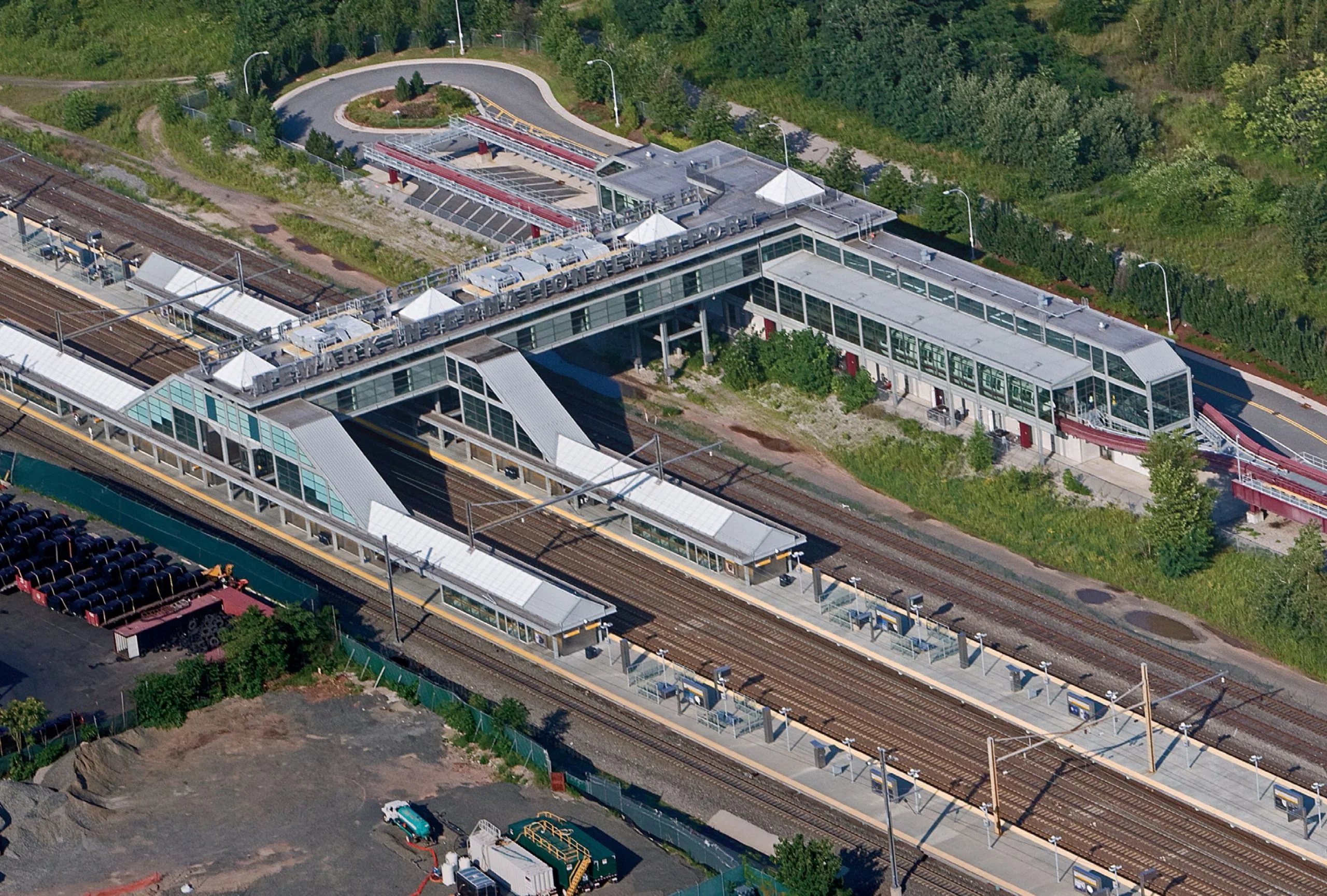
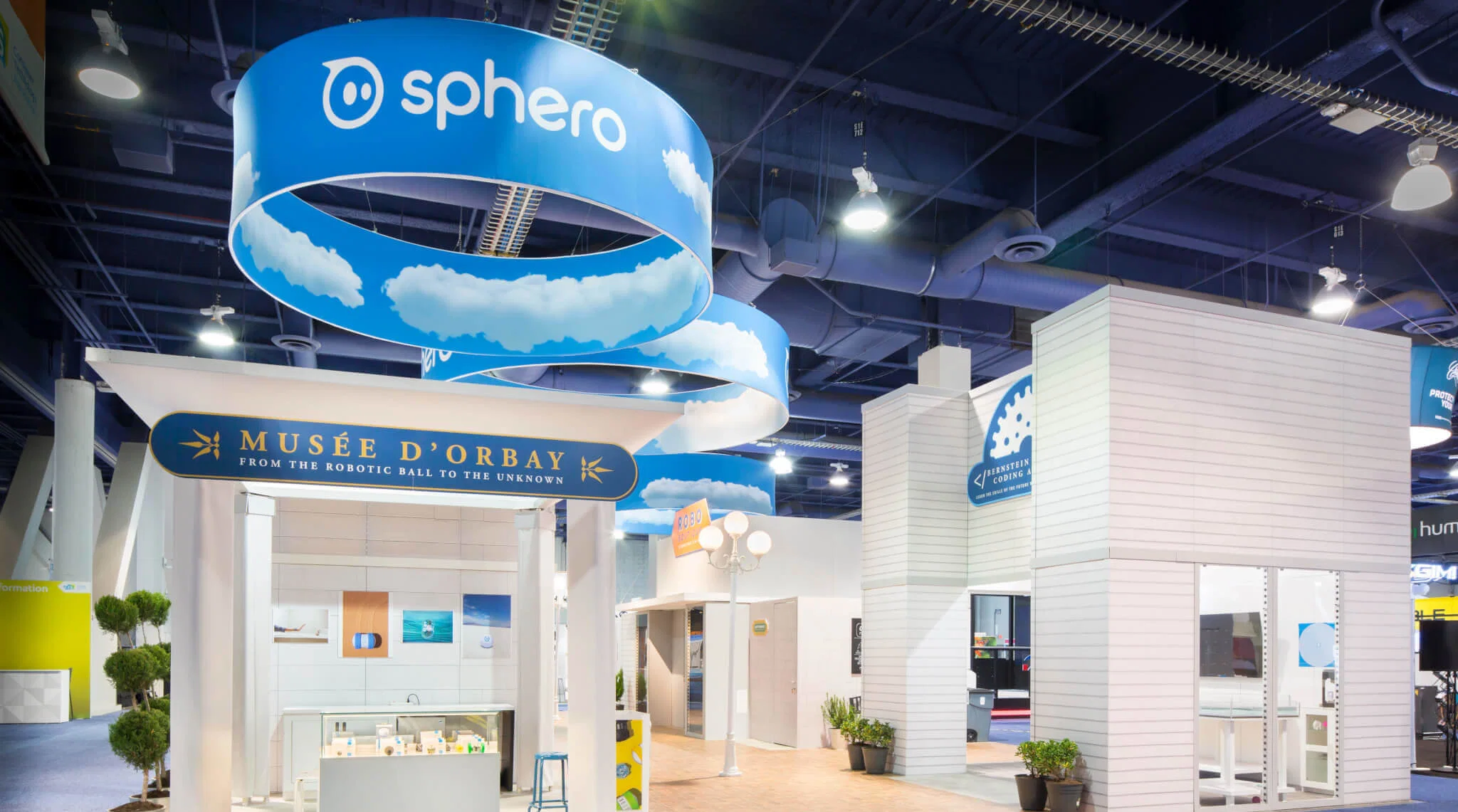
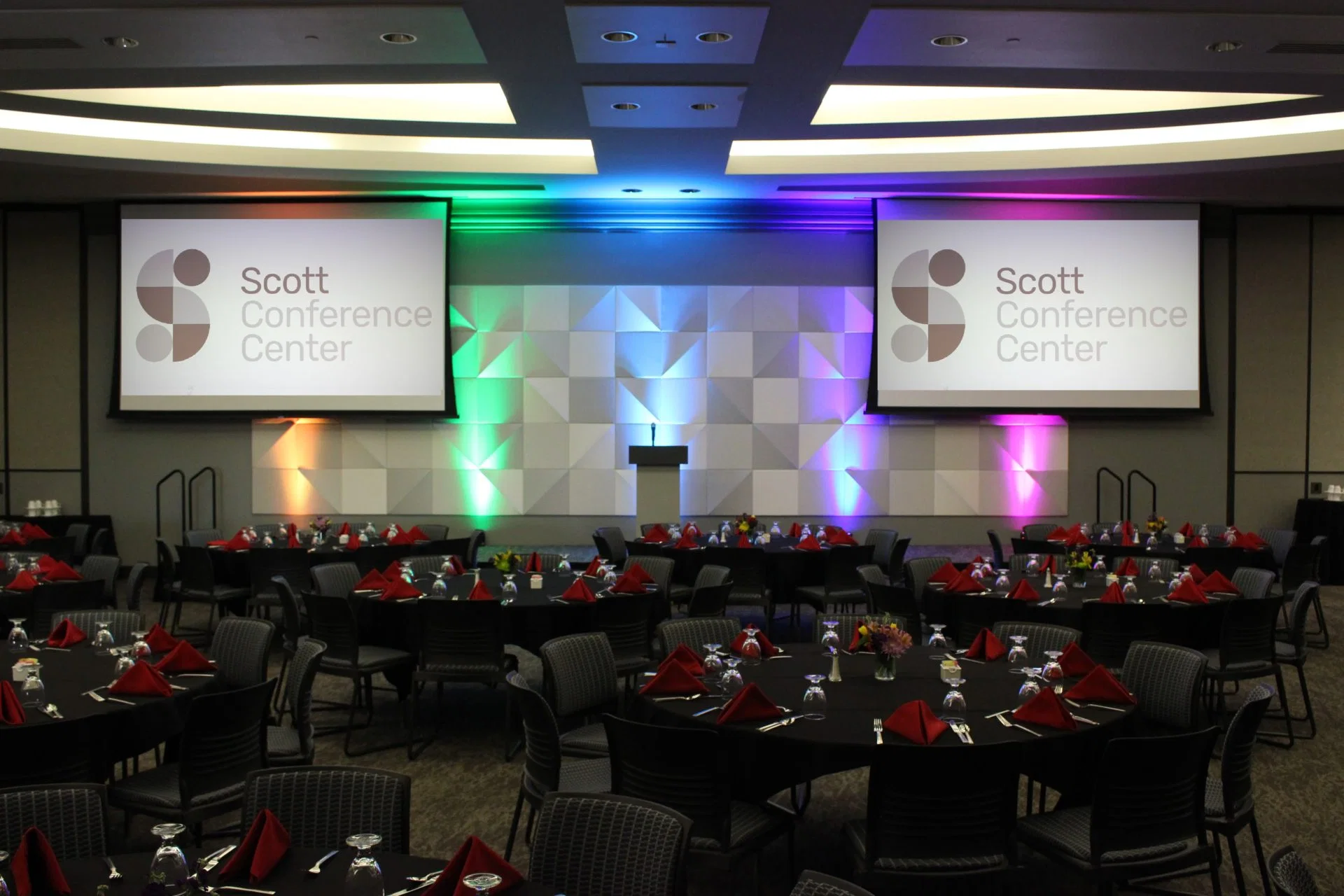
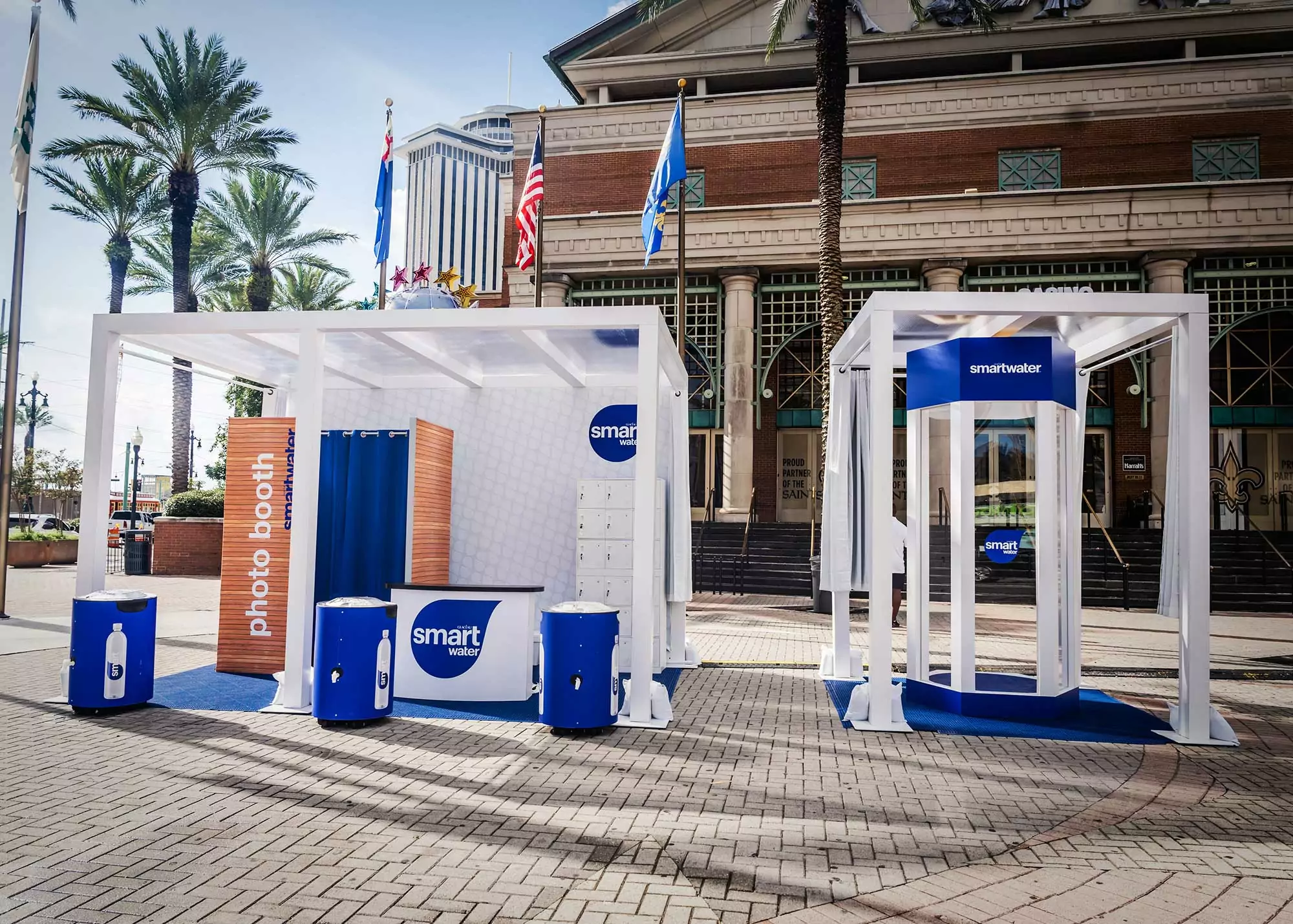
Airport Corridor covers the Eppley Airfield and Carter Lake corridor, where charter freight, fly-in roadshows, and one-day pop-ups land first.
Most the corridor dates ride into the Council Bluffs / Mid-America District.
The rest of the page walks each thread.
Airport Corridor execution priorities
- Lock the date against the Council Bluffs / Mid-America District's competing room blocks early; popular weeks fill the Airport Corridor hotel inventory fast.
- Plan the freight route into the Eppley Airfield and Carter Lake corridor, where charter freight, fly-in roadshows, and one-day pop-ups land first. Downtown Airport Corridor blocks, the Sarpy interchanges into La Vista, and the Council Bluffs side all load in differently.
- Keep one named show-site lead on the floor for the run so the Airport Corridor team has a single point of contact for change orders.
What Airport Corridor actually is
The corridor is the Eppley Airfield and Carter Lake corridor, where charter freight, fly-in roadshows, and one-day pop-ups land first.
The difference between a the corridor program and any other Omaha submarket shows up fast: the corridor buildings, the parking pattern, the load-in, and the typical audience all shift.
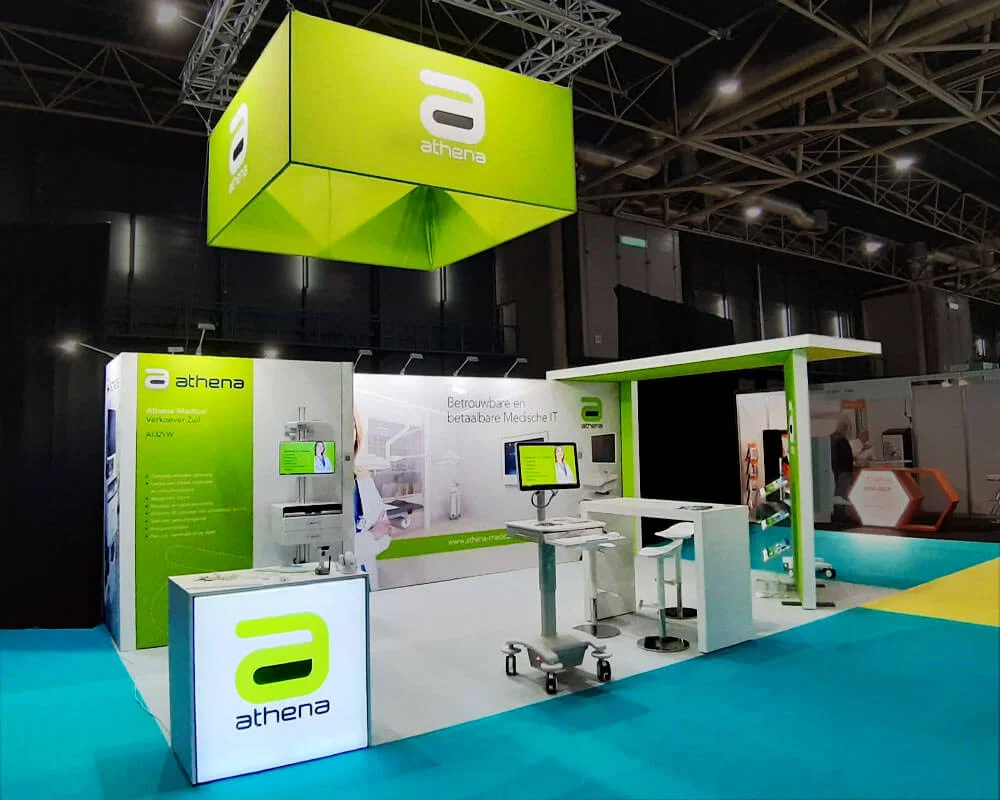
A booth or stage program for the corridor is engineered to the actual rooms, docks, and rigging on these blocks, not pulled off a generic floor plate.
Where shows happen in Airport Corridor
Most the corridor dates land inside the Council Bluffs / Mid-America District.
A 600-person conference inside the Eppley Airfield and Carter Lake corridor, where charter freight, fly-in roadshows, and one-day pop-ups land first is a different building from a 200-booth expo.
Once the corridor building is locked, the dock plan, the labor pool, and the show-services workflow each tighten down to that specific venue.
How freight and load-in run in Airport Corridor
Freight into the corridor rides the routes the Eppley Airfield and Carter Lake corridor, where charter freight, fly-in roadshows, and one-day pop-ups land first actually supports.
Advance-warehouse routing is the safer path for the corridor dates when the show offers one; direct-to-show into the corridor works when the dock window is tight and the carrier can hold time.
Marshalling, dock assignment, and unload windows for the corridor buildings follow the venue's published kit. Trucks that arrive early at a the corridor dock get held; trucks that miss the slot lose it.
Labor and floor operations in Airport Corridor
Labor inside the corridor is venue-directed, not citywide. Each the corridor building publishes its own rules for house crew, general contractor, and exhibitor or EAC scope.
For any the corridor date the practical step is the same: pull the current exhibitor manual for the corridor venue, confirm the split in writing, and size the call against the actual scope.
Outside crews working the corridor venues file EAC paperwork, certificates of insurance, and scope letters before arrival, not after.
What's typically in scope for Airport Corridor work
Scope on a the corridor project usually covers booth or stage structure, graphics, AV, rigging where the corridor venue allows it, freight, on-site supervision, and strike.
Show-services orders for the corridor buildings (power, internet, rigging points, lead retrieval) are placed against published deadlines so the build does not fight surcharges.
Closeout in the corridor covers outbound freight, a damage walk with the venue rep, and asset-management notes that feed the next date on the corridor calendar.
How a Airport Corridor project runs end to end
Kickoff for the corridor locks the show, the venue, the named approver, and the budget envelope; every drawing and order downstream cites that brief.
Fabrication and graphics for a the corridor program close out on a date that lets crating and freight ride the venue's advance-warehouse or direct-to-show window cleanly.
Install, show hours, and strike inside the corridor run under one show-site lead carrying the floor plan, the punch list, and the change-order log.
Pricing and lead time for Airport Corridor
A clean custom calendar for the corridor runs 16 to 20 weeks; rental hardware fits in 8 to 12; anything tighter raises pricing and narrows the crew and freight options.
Pricing for work splits by structure, graphics, AV, rigging, freight, labor, and supervision. Each line ties to the specific the corridor venue and its published rates.
Change orders during a the corridor run get priced against the venue portal and the approved labor call, not waved through.
What separates a strong Airport Corridor program
Strong work starts with people who already know the Eppley Airfield and Carter Lake corridor, where charter freight, fly-in roadshows, and one-day pop-ups land first: the docks, the rig points, the services reps, and the rhythm of move-in.
A strong the corridor program runs one source of truth for drawings, orders, and approvals so the field team is not chasing email threads on show day.
Questions about Airport Corridor
What kinds of events run in Airport Corridor?
The right format depends on the venue inside the Eppley Airfield and Carter Lake corridor, where charter freight, fly-in roadshows, and one-day pop-ups land first and the headcount for the date.
How does labor work in this work?
It runs by venue, not by zip code. Each building inside the Council Bluffs / Mid-America District publishes its own rules; the labor call is sized to that specific kit, not a citywide assumption.
How much lead time does a the program need?
Rental or kit-based work compresses to 8 to 12.
How does freight reach this service?
Through the Eppley Airfield and Carter Lake corridor, where charter freight, fly-in roadshows, and one-day pop-ups land first's usable routes. Carrier marshalling follows the venue kit.
Who runs a the plan project on site?
One named show-site lead.
What does a this work booth or event program cost?
It scales with structure, AV, rigging, freight, and labor.